Moroccan cuisine is widely considered one of the most flavorful in the world. It is defined by the “sweet and savory” profile, where ingredients like dried fruits and honey are often cooked alongside salty meats and aromatic spices.
1. The Essential Dishes
- Tagine: The most iconic Moroccan meal. It is a slow-cooked stew named after the conical clay pot it is prepared in. The steam circulates inside, keeping the meat incredibly tender. Popular combinations include:
- Lamb or Beef with Prunes and Almonds.
- Chicken with Preserved Lemon and Olives.
- Kefta (Meatball) Tagine with Eggs and Tomato Sauce.
- Couscous: The national dish. Traditionally served on Fridays, it consists of steamed semolina pearls topped with seven types of vegetables and meat. It is usually served in a large communal clay bowl.
- Pastilla (B’stilla): A spectacular meat pie made of layers of thin warqa dough (similar to phyllo). It is traditionally stuffed with pigeon (now often chicken), almonds, and eggs, then dusted with powdered sugar and cinnamon.
- Harira: A hearty tomato-based soup with lentils, chickpeas, and sometimes meat. It is the go-to meal to break the fast during Ramadan, but it’s enjoyed year-round as a starter.
2. The Spices (The Soul of the Kitchen)
Moroccan food isn’t “hot” spicy (like Mexican or Indian food), but it is deeply “aromatic.” The most famous spice blend is Ras el Hanout, which can contain over 30 different spices, including:
- Cumin & Turmeric: For earthiness and color.
- Cinnamon & Ginger: For warmth and sweetness.
- Saffron: The “red gold” grown in the Taliouine region, used in high-end dishes.
- Harissa: A fiery chili paste used as a condiment on the side for those who want extra heat.
3. Street Food & Snacks
- B’stilla Rolls: Small, fried versions of the larger pie.
- Maakouda: Deep-fried potato cakes, often served in a sandwich with spicy sauce.
- Grilled Brochettes: Skewers of spiced lamb or chicken grilled over charcoal, served with bread.
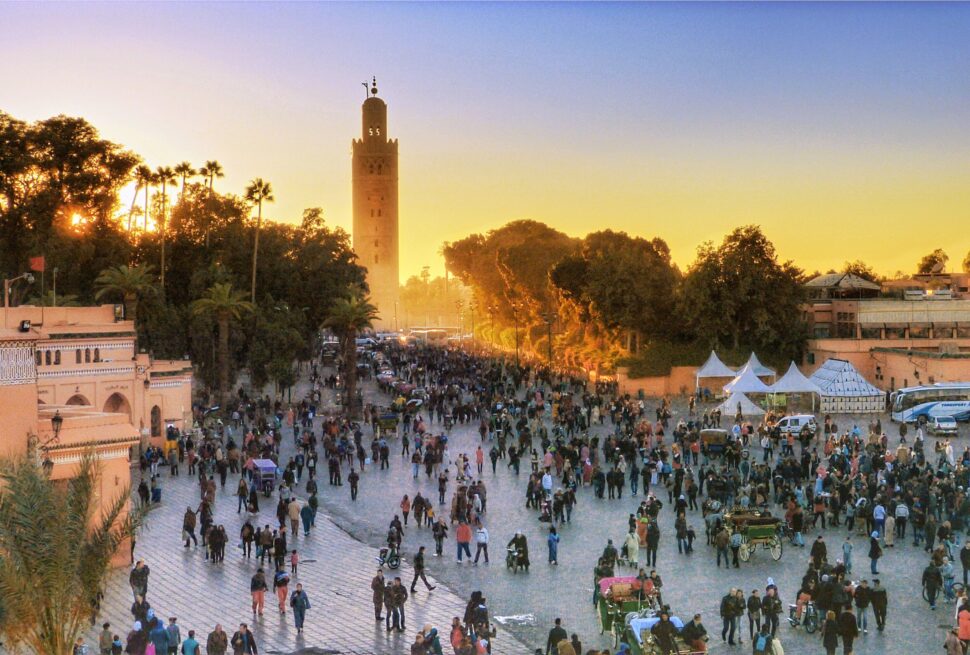
- Snail Soup (Babbouche): A popular night-time street snack in squares like Jemaa el-Fnaa, seasoned with a blend of over 15 herbs.
4. Sweets and Tea
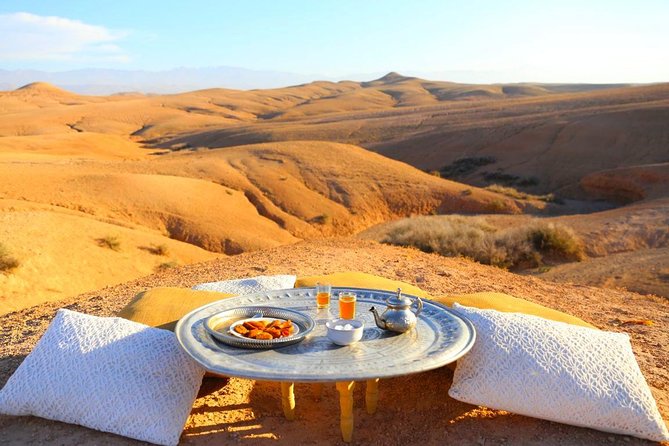
- Moroccan Mint Tea: Known as “Berber Whiskey,” this is green tea steeped with fresh mint and lots of sugar. It’s poured from high above to create a frothy head.
- Chebakia: A flower-shaped sesame cookie that is fried and coated in honey and saffron.
- Cornes de Gazelle (Gazelle Horns): Crescent-shaped pastries filled with almond paste and scented with orange blossom water.
5. Dining Etiquette
- The Bread Rule: In Morocco, bread (khobz) is your fork. You use your thumb and first two fingers of your right hand to scoop up stews and salads.
- Communal Eating: Most meals are served in one large central dish. You are expected to eat from the “triangle” of food directly in front of you.
- The Salad Course: A Moroccan meal often begins with a variety of small cooked and raw salads, such as Zaalouk (cooked eggplant and tomato) or Taktouka (bell peppers and tomatoes).
Which of these sounds most interesting to you? I can provide a recipe for one of the classics if you’d like to try cooking it!